Examples of clean energy at a glance
Solar, wind, hydropower, geothermal, tidal and wave energy are common examples. Nuclear power is also widely included in low-carbon energy discussions, although it is not renewable. Biomass and hydrogen need more qualification because their environmental performance depends heavily on how they are produced and used.
Clean energy is a useful phrase, but it can hide important differences. A rooftop solar panel, a hydroelectric dam and a nuclear power station all produce electricity in very different ways. Their suitability, environmental effects and scale are different too.
For a homeowner or small business, the useful question is not simply which technologies deserve a green label. It is which options can meet your needs with lower emissions, manageable impacts and a realistic budget.
Clean, renewable and low-carbon: what is the difference?
Renewable describes resources replenished by natural processes, such as sunlight, wind and flowing water. Low-carbon describes relatively low greenhouse-gas emissions, ideally assessed across construction, operation and disposal. Clean is broader language, commonly referring to reduced climate pollution and other environmental harms; it is not a promise of zero impact.
These terms overlap without being identical. Nuclear electricity can be low-carbon without being renewable. Biomass can be classified as renewable while combustion still releases carbon dioxide and air pollutants.
Always ask what a claim measures. “No emissions during operation” does not include manufacturing, mining, transport or end-of-life treatment. A fair comparison considers the whole system and the useful energy it delivers.
1. Solar energy: electricity and useful heat
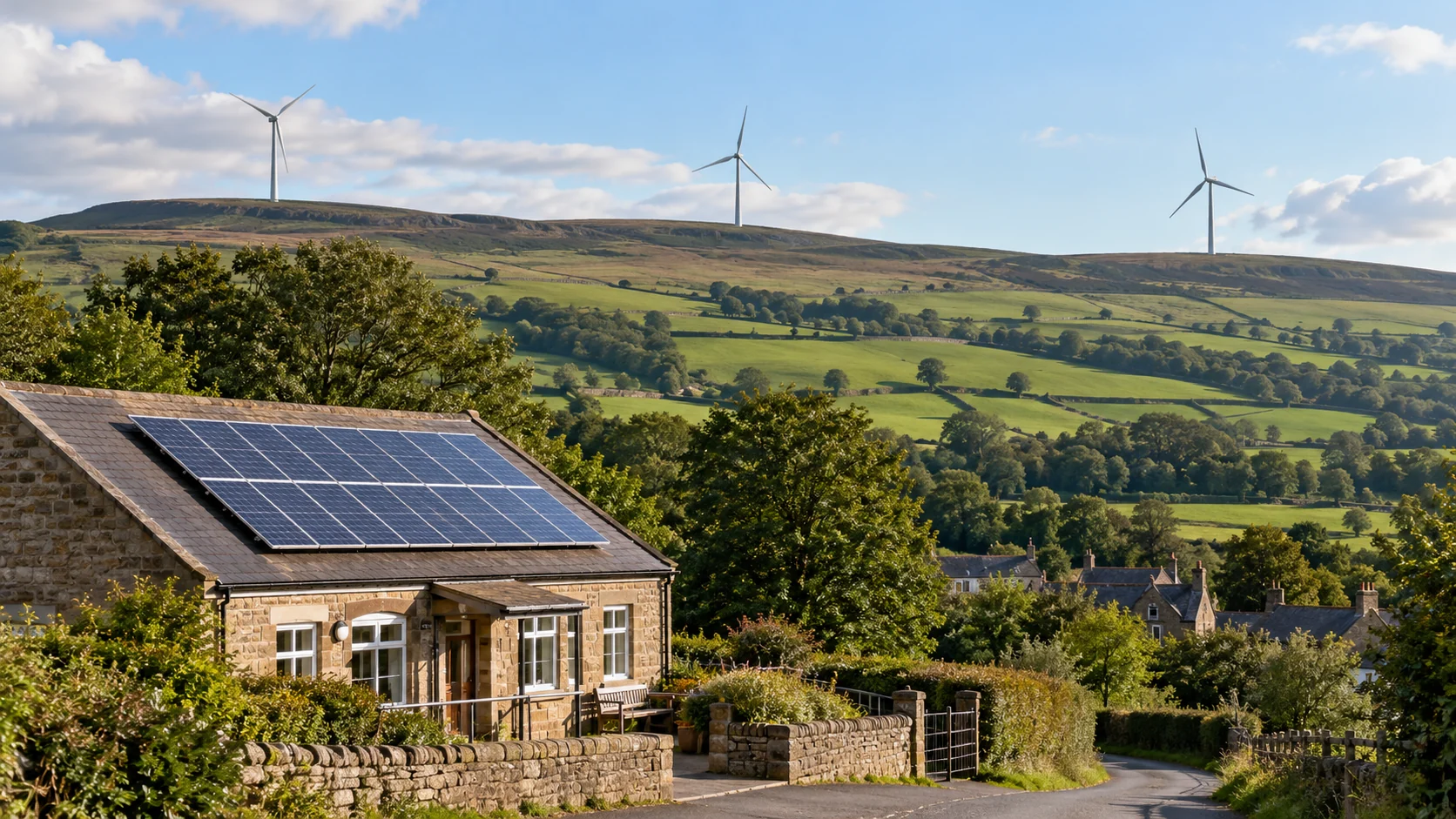
Solar photovoltaic panels convert sunlight into electricity. Examples include panels on a house, a community building, a warehouse or a small off-grid shed. Solar thermal collectors instead capture energy for heat, such as domestic hot water. These are different technologies, even when both sit on a roof.
The US Energy Information Administration’s renewable-energy overview explains these different uses. For a household, the distinction matters: a solar hot-water system does not directly power a laptop, while a PV system needs suitable equipment to supply appliances.
Output depends on available light, orientation, shading and system design. Solar generation varies through the day and year, so storage or another supply may be needed when demand and generation do not coincide. Our monocrystalline solar panel guide explains why a panel’s technology and rated wattage are only part of the decision.
2. Wind energy: from exposed sites to offshore farms
Wind turbines convert energy in moving air into electricity. Large onshore and offshore wind farms are familiar examples. Smaller turbines can serve suitable rural properties, but their output depends strongly on the wind reaching the rotor.
A breezy garden is not automatically a good wind site. Buildings, trees and uneven terrain can obstruct airflow or create turbulence. A turbine’s advertised rating also does not mean it produces that power continuously.
For a small-property project, start with site evidence and a realistic generation assessment. Our guide to why a 1kW turbine does not produce 1kW all day shows how changing wind conditions affect output. Noise, wildlife, access and maintenance also belong in the decision.
3. Hydropower: using the energy in moving water
Hydropower uses water to drive a turbine connected to a generator. Examples range from large reservoir schemes to small installations using a suitable stream and elevation drop. A reliable water resource can offer a different generation pattern from solar or wind.
It still needs environmental assessment. The EIA’s hydropower guidance describes effects on fish migration, river conditions and habitats, as well as greenhouse-gas emissions associated with some reservoirs. “Renewable” does not remove these concerns.
A stream on your land is only a starting point. Seasonal flow, available head, ecological requirements and permissions determine feasibility. Pumping water uphill with electricity and recovering some later is pumped storage; losses mean it is not a source of unlimited new energy.
4. Geothermal energy: heat from within the Earth
Geothermal energy uses underground heat. Suitable resources can supply district heating, industrial heat or electricity generation. The EIA’s geothermal introduction explains how heat beneath the Earth’s surface can be put to work.
Deep geothermal projects depend on geology and often require specialist drilling and substantial investment. They are not an ordinary garden DIY project, even though the resource can support useful heat or power where conditions are right.
A domestic ground-source heat pump is a different arrangement from a geothermal power station. It uses electricity to move low-temperature heat from the ground into a building. Keep that distinction in mind when comparing household heating with electricity generation.
5. Tidal and wave energy: two marine examples
Tidal systems use the movement or changing level of seawater associated with tides. Wave devices capture energy from waves. The US Department of Energy’s marine-energy overview describes these and other water-based resources.
Tidal timing is predictable, but output is not constant throughout the tidal cycle. Wave conditions vary with weather and location. Equipment must also withstand a demanding marine environment.
These are generally specialist coastal or offshore developments rather than equipment a typical homeowner can install. Their wider role is in supplying energy to grids, communities or particular marine uses. Environmental effects, maintenance and suitable sites all need careful assessment.
6. Nuclear energy: low-carbon, but not renewable
Nuclear power generates heat through nuclear fission and uses that heat to produce electricity. It does not burn fossil fuel to operate the reactor, and it can provide large amounts of electricity without depending on sunshine or wind.
The International Energy Agency includes nuclear in its analysis of clean energy systems. However, conventional nuclear fuel is finite, and radioactive waste, safety, construction, decommissioning and costs remain important considerations.
This is why a useful answer includes nuclear while explaining its classification. It is an example of low-carbon electricity at grid scale, not a renewable resource or a household installation option.
7. Biomass and biogas: examples that need qualification
Biomass includes organic materials used for energy, such as wood residues. Biogas can be produced from the breakdown of organic matter, including some wastes, and used for heat or electricity. These can form part of renewable-energy systems, but the word “clean” needs care.
Burning biomass releases emissions. Its overall climate performance depends on sourcing, land use, processing, transport and the timescale over which carbon is taken up again. Biogas systems also need effective control of methane leakage.
The EIA’s environmental guidance explains why biomass is not impact-free. A wood-burning appliance is not automatically a clean-air solution simply because trees can regrow. Evaluate the specific fuel and system rather than treating every bioenergy project alike.
| Technology | Illustrative use | Main question |
|---|---|---|
| Solar PV | House, workshop or business roof | Is there suitable space and useful sunlight? |
| Solar thermal | Hot-water support | Does heat production match hot-water demand? |
| Small wind | Exposed rural property | Is the measured wind resource adequate? |
| Micro hydro | Property with suitable flowing water | Are flow, head and environmental permissions suitable? |
| Deep geothermal, marine and nuclear | Specialist or wider energy infrastructure | What role can they play in the local energy supply? |
| Bioenergy | Appropriate heat or waste-management scheme | What are the full emissions and sourcing impacts? |
Where do heat pumps, batteries and hydrogen fit?
A heat pump is a technology for moving heat, not a fuel. Energy Saving Trust explains how air-source heat pumps transfer heat from outdoor air into a building using electricity. They can deliver several units of heat for each unit of electricity, with actual performance depending on the system and conditions.

Batteries store electricity for later use. They can help use solar energy after sunset, but their environmental benefit depends partly on how they are charged and operated. Manufacturing and storage losses also matter. A battery is not itself a primary energy source.
Hydrogen is an energy carrier whose production requires energy. Making it through electrolysis with low-emissions electricity can be very different from producing it from fossil fuels without effective emissions controls. The IEA recommends focusing on hydrogen’s emissions intensity rather than relying on colour labels alone.
These technologies can support cleaner energy systems, but none creates energy from nothing. Be cautious of claims that a device will supply unlimited power without a fuel or energy input.
How to choose a useful starting point
First decide what you want to improve: electricity for appliances, hot water, space heating or resilience during an outage. Measure existing use before selecting equipment. Reducing wasted energy can make a proposed system smaller and more affordable.
Next, check the resources and space actually available. A sunny roof, exposed land and a reliable stream lead to very different options. Our guide to comparing solar, wind and micro hydro on your own plot helps organise that assessment.
Then compare complete costs, maintenance, seasonal output and backup needs. Ask suppliers to explain their assumptions. A renewable-energy label is not a guarantee of savings, independence or suitability for every property.
If you are exploring additional energy ideas, you can view the separate energy offer and its full details. It is not evidence of a working installation or a substitute for a site-specific assessment.
Frequently asked questions
What are five clear examples of clean energy?
Solar, wind, hydropower, geothermal and tidal energy are common examples. Each still has environmental impacts that depend on the project.
Is all renewable energy clean?
No. Renewable describes replenishment of the resource. Air pollution, land use, habitat effects and lifecycle emissions still need assessment, particularly for bioenergy.
Is natural gas clean energy?
Natural gas is a fossil fuel. Burning it releases carbon dioxide, and methane leakage adds climate impacts. Lower emissions than another fuel do not make it zero-carbon.
Does clean energy mean free energy?
No. Sunlight and wind do not require fuel purchases, but equipment, installation, maintenance and replacement have costs. Output also depends on the available resource.
Understand the example, then assess the project
Clean energy includes several ways of producing useful electricity and heat with lower impacts. The strongest choice for your property comes from matching a real resource to a measured need, while considering the whole system.
Explore the linked energy offer
Open the seller’s presentation and check its contents, evidence, price and terms before deciding. We have not tested the product or verified its performance claims.
View the Energy Product and Full Details